
Stop maintaining three power systems.
Your UPS, BESS (battery energy storage system), and diesel backup each come from a different vendor on a different schedule. UpGrid replaces all three with one cabinet.
You're running three overlapping power systems.
UPS bridges sub-second sags. BESS shaves peaks. Diesel covers long outages. You procure, install, and maintain them separately — and none add capacity for the new line you want.
UPS + BESS + diesel. Three vendors, three install crews.
Three permit cycles, three commissioning windows.
Capex stack at industrial scale.
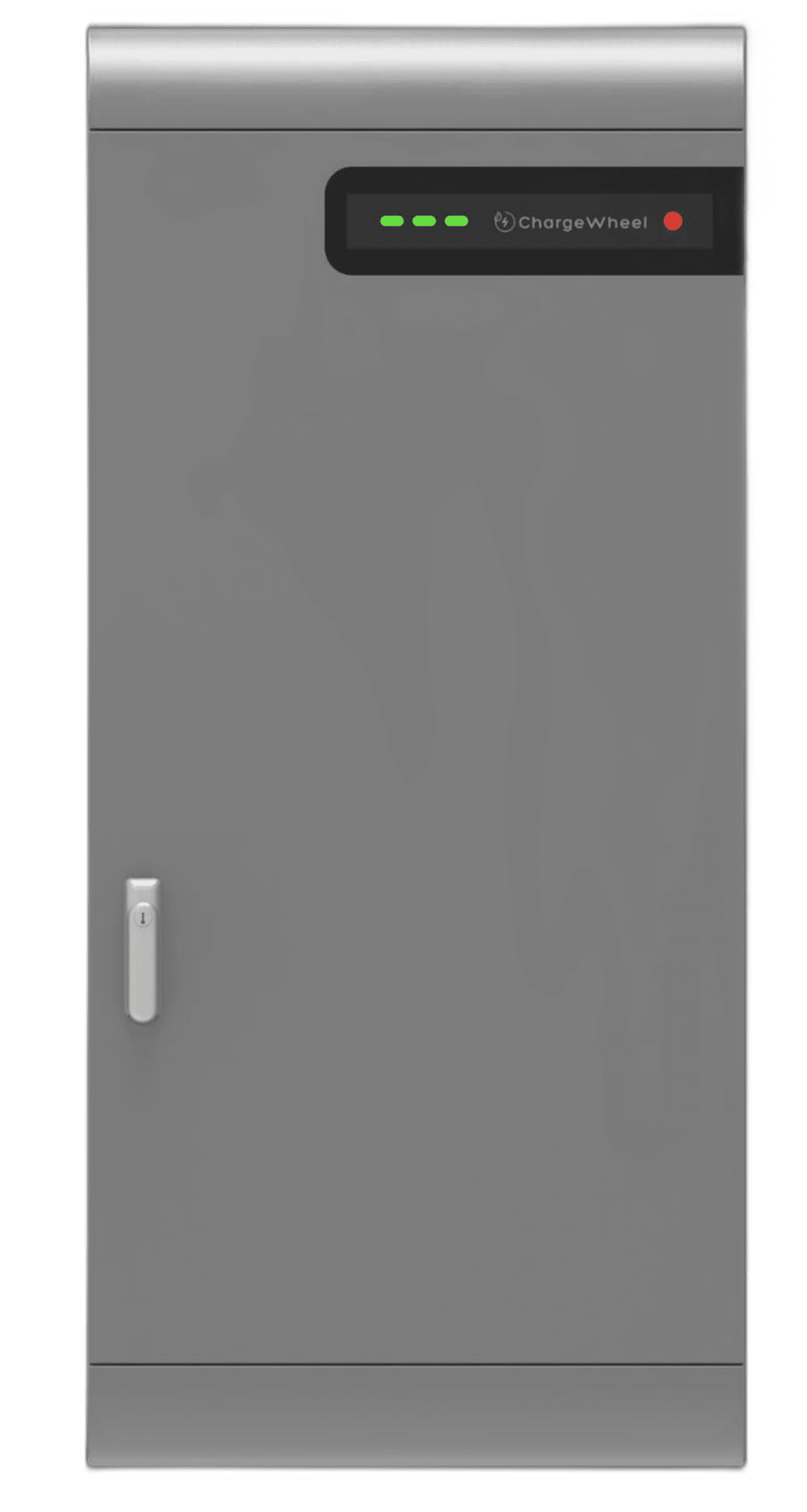
One cabinet. Three systems retired.
LFP cells handle multi-hour backup. A supercapacitor bank handles UPS-class ride-through. The same battery absorbs your peaks during operating hours — with capacity headroom for whatever you add next.
Lower vs buying UPS, BESS, and diesel separately at industrial scale.
Faster — 3 months vs 12–18 months across three separate vendors.
No fuel storage. No emissions permit. No monthly load-bank tests.
Three modes. One stack. Sub-second handoff.
UpGrid OS continuously monitors grid quality, facility load, and battery state. The same hardware silently switches roles based on what's happening on the line — see the full cabinet spec on UpGrid BESS.
Sub-ms ride-through
A brief grid sag hits the bus. The supercapacitor bank takes over within microseconds. PLCs, drives, and process controls never see the disturbance.
Peak shave
Shift change brings motor inrush. The battery fills the spike so the utility meter stays flat — and your demand charge never moves.
Multi-hour outage
Grid drops for 105 minutes. The battery holds critical loads at full output. No diesel start, no fuel logistics, no emissions permit.
UpGrid OS coordinates which mode the battery is in — millisecond by millisecond.
Running in production.
Industrial operators pick UpGrid when their line uptime is worth more than a diesel maintenance contract.
AB InBev
Behind-the-meter battery storage supporting brewery operations — peak shaving, UPS-class ride-through for production lines, and multi-hour backup replacing on-site diesel.
Model your facility.
Adjust facility load, peak ratio, and outage exposure to see the consolidated savings UpGrid delivers compared to your current three-system stack.
Average power draw across operating hours
Shift starts, motor inrush, line ramps
Lost production + restart costs per outage hour
Grid outages UpGrid would cover with battery backup
Behind-the-meter capacity multiplier
Replace UPS, BESS, and diesel — in one project.
Share your facility load profile and outage exposure. You'll get a system spec and consolidated savings model within a week.
Questions plant engineers ask.
Every industrial site is different. If we missed yours, a working session with our engineering team will get you answers.